
· 1 min read
Single malt whisky for beginners: where to start
Single malt, blend, Speyside, Islay: what the words on the label mean, and how to choose your first bottle.
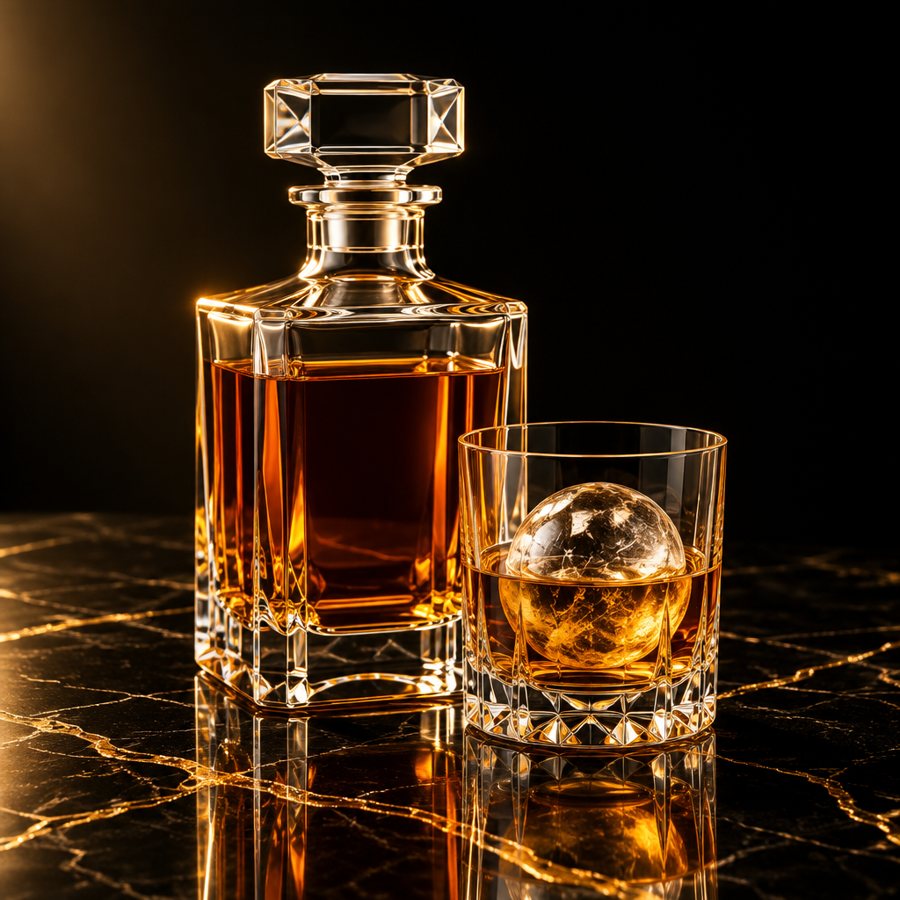
Whisky can feel intimidating, with confusing words on the label. Understand three things, though, and choosing gets easy.
Single malt vs blend
Single malt is made at one distillery from malted barley. It carries the clear character of that one place.
Blended whisky mixes whiskies from several distilleries, often with grain whisky. It's usually smoother and cheaper, and good for mixed drinks.
The region is the style
Scotland is split into regions, and each has its own signature:
- Speyside: smooth and fruity, with honey, pear and vanilla. The best place for a beginner to start.
- Highlands: varied, from light and floral to rich.
- Islay: smoky and peaty, almost medicinal. People love it or hate it, so it's a risky first bottle.
What the age means
The number on the label is the age of the youngest spirit in the bottle, counted in years spent in the cask. 12 years is a great entry point: smooth and complex already, without an eye-watering price.
How to taste
- 1Pour 30 to 40 ml into a tulip glass or a tumbler.
- 2Nose it first, gently; a deep sniff of alcohol stings.
- 3Take a small sip and hold it in your mouth.
- 4Add a few drops of water and the aroma opens up. That's not cheating; the professionals do it.
Where to start
Pick a 12-year-old Speyside single malt: smooth, easy to read, and an honest showcase of why people love whisky. If you prefer sweetness and vanilla, try a bourbon; we'll cover the difference soon.
Browse all bottles in whisky.
Drinks from this article
More articles
· 1 min read
Lager or pale ale: which beer to choose
The two main beer styles in one read: how they're made, how they taste, and which to get for the match or the barbecue.
Read →
· 1 min read
Why red wine needs chilling in Dubai
The 'serve red at room temperature' rule was made in chilly Europe. In Dubai it makes wine taste worse.
Read →
· 1 min read
How to choose vodka: what actually matters
Wheat or rye, 'filtered five times', and price: what is genuinely worth paying for.
Read →